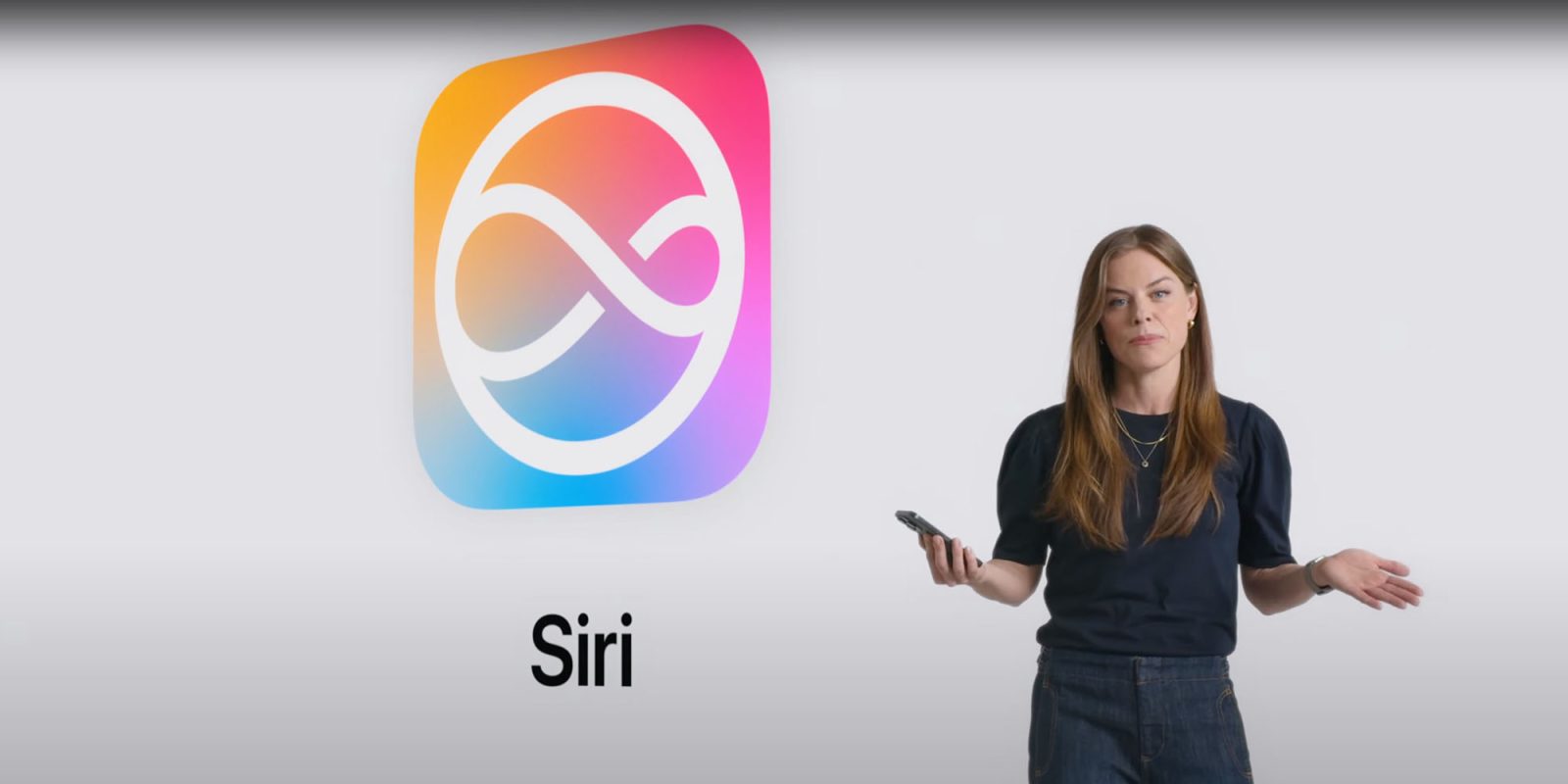
When Apple unveils iOS 27 on June 8, the company may reveal the first dedicated Siri app as part of the new system. Mark Gurman at Bloomberg has a new report that includes new details about Apple’s next attempt at embracing AI.
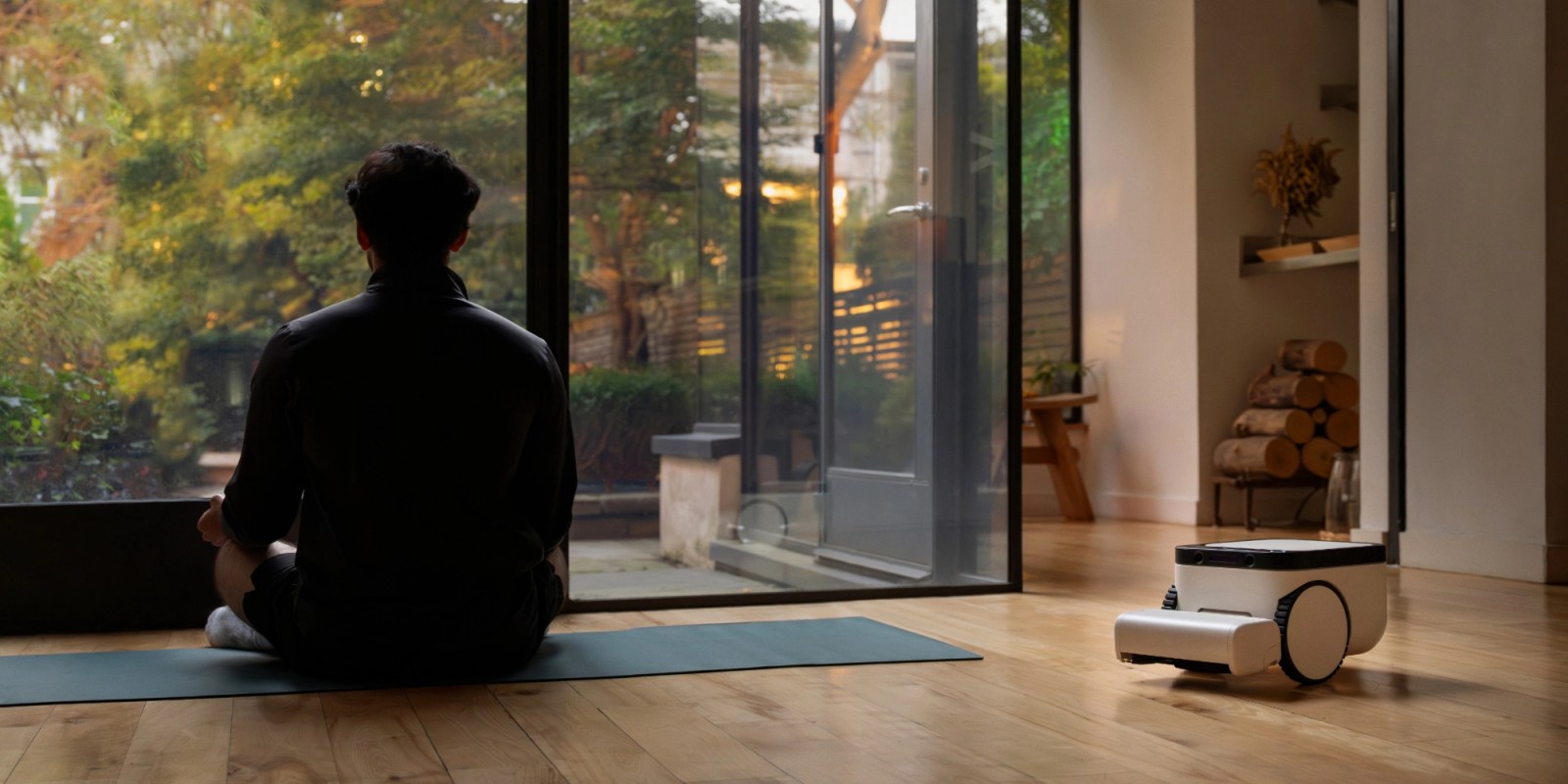
I’ve been testing a robot vacuum and mop from Matic Robots for several months now. It’s a solid product built on privacy and intelligence. I’ll share more about my overall experience with Matic in the future. For now, I want to quickly highlight an exciting update that rolled out overnight: Apple Home integration.
OpenAI is well on its way to reporting 1 billion weekly active ChatGPT users. The company today claims 900 million weekly active users, a 350% increase since just 18 months ago.
Despite inking a deal with Google to use Gemini AI as the brains behind upgraded Siri, Apple is reportedly facing internal challenges in getting the final product ready for prime time. The reported delays could stretch into iOS 27 this fall. Apple first announced a more capable version of Siri in 2024; that update hasn’t shipped yet.
While AI chatbots like ChatGPT and Google Gemini feature conversational voice mode, the apps don’t exactly work well with Apple CarPlay. That will soon change, it appears, with an upcoming iOS software update.
Apple reportedly plans to make a major pivot with Siri in iOS 27. According to Mark Gurman at Bloomberg, Apple is developing its first chatbot with a version of Siri that will replace the existing experience.
OpenAI says it is now rolling out ChatGPT age prediction and that it will use this to determine the content you are allowed to see. It’s not immediately clear how this will impact Siri fallback to ChatGPT.
The AI company says that it will use a wide range of signals to guess your age, including your usage patterns over time …
The long-awaited launch of the new AI-powered Siri now looks much closer thanks to Apple’s partnership with Google. The company this week confirmed reports that many Siri features will be powered by Google’s Gemini models.
We already knew some of the features we could expect from AI Siri thanks to the announcements at WWDC 2024 and a now-deleted iPhone 16 ad – and the launch of Gemini Personal Intelligence has now effectively provided a working preview …
Apple has announced that John Giannandrea, the company’s Machine Learning and AI Strategy boss, is retiring from the company. The move may not come as a surprise for anyone closely following Apple and its AI missteps over the last few years.
I said only recently that it’s getting harder and harder to believe Apple can deliver on the new Siri. The company’s backtracking on announcements coupled to very vague statements on revised timings were certainly not making it easy to imagine that the new intelligent assistant will deliver.
I’m not yet ready to do my own U-turn on this, and my skepticism still very much remains, but there have at least been a couple of encouraging signs in the last few days …
Apple is already under massive fire for falling behind in AI, and Google’s Gemini smart home plans are about to make that a whole lot worse.
Not only is Siri lagging dramatically behind generative AI chatbots in smartphone-based tasks, but Google is about to make Apple’s assistant look really dumb when it comes to smart homes …
One of the many delayed Apple Intelligence features is known as App Intents, and we’re starting to see evidence that taking an extremely cautious approach to the rollout may be no bad thing.
Before the comments catch fire, I should stress that I’m most assuredly not giving Apple a free pass on the slow rollout of new Siri capabilities in general. There are a great many capabilities which should very definitely have been launched years ago. Indeed, I’ve argued that the delay is now so embarrassing that Apple should probably allow us to choose our own chatbot to stand in for Siri, and the majority of you agreed with me. But when it comes to AI agents, taking things slowly may be the right approach …
Apple is continuing to face fallout from its Apple Intelligence rollout. As spotted by Reuters, Apple shareholders have sued Apple in a proposed class action securities fraud case for allegedly “downplaying how long it needed to integrate advanced artificial intelligence into its Siri voice assistant.”
The lawsuit alleges that this misrepresentation negatively impacted iPhone sales and Apple’s stock price.
John Gruber – author of the original piece taking issue with Apple showing off features it hadn’t demonstrated to anyone outside the company – is now joined by M.G. Siegler and others …
There’s no denying that Apple made a major mis-step when it showed off impressive new Siri features during last year’s WWDC, before doubling-down in an iPhone 16 ad. The company was forced to delete the ad and walk back the timing.
That led even the most upbeat of Apple commenters to criticize the company for showing off “vaporware,” implying that the demos had been faked. But two Apple execs have now categorically denied this, and said everything it showed at the time was the real thing …